The question of what is an AI agent is no longer limited to technical experts or researchers. Business owners, freelancers, marketers, developers, and everyday computer users are now trying to understand this concept because it directly affects how work is done. From trending agentic AI news headlines to growing concerns such as AI agents take control of my computer, interest in this topic continues to rise.
Many readers search phrases like help me understand agentic ai applications because they want clarity, not hype. Others want to know why experts emphasize building agentic ai applications with a problem-first approach, or how tools such as an ai sales agent actually work in real situations. This article provides a detailed, well-structured, and human written explanation designed to answer all of these questions clearly and thoroughly.
Understanding the Meaning of What Is an AI Agent?
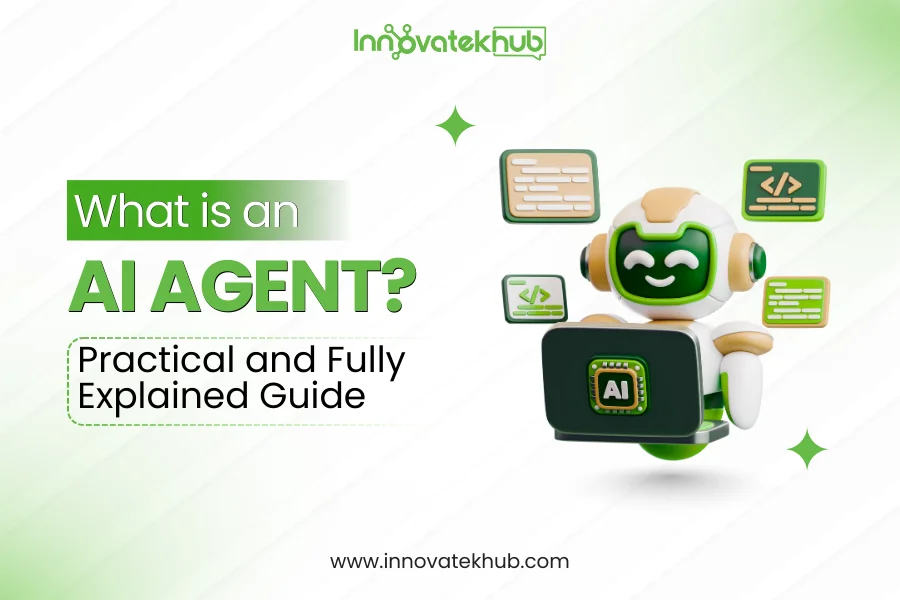
To understand what is an ai agent, think of a digital system that is designed to achieve a goal by observing information, making decisions, and taking actions. Unlike traditional software that follows rigid instructions, an agent can choose what to do next based on conditions, context, and results.
This is why agentic ai news often describes these systems as “autonomous” or “self-directed.” However, autonomy does not mean lack of control. It means the system can act independently within clearly defined boundaries.
When people ask to help me understand agentic ai applications, they are often trying to understand how these systems differ from standard automation tools. The key difference is decision-making. An agent does not just execute steps it evaluates options and selects actions that best serve its goal.
Why AI Agents Are Becoming So Important
The rise of agents is not accidental. Businesses and individuals are overwhelmed by repetitive digital work. This is why agentic ai news frequently focuses on productivity, efficiency, and scale.
Key reasons agents matter today include:
- Reducing manual digital tasks
- Improving consistency and accuracy
- Operating continuously without fatigue
- Adapting to changing inputs
As more tools appear that allow an ai agent takes control of computer workflows, curiosity and concern both increase. This is also why many guides emphasize building agentic AI applications with a problem-first approach to ensure these systems are helpful rather than disruptive.
How an AI Agent Works From Start to Finish
To truly understand what is an ai agent, it helps to break down how one operates in practice.
Step 1: Defining the Goal
Every agent starts with a goal. This could be responding to customers, managing outreach, organizing data, or generating reports. Experts stress building agentic ai applications with a problem-first approach because unclear goals lead to poor outcomes.
Step 2: Observing the Environment
The agent gathers information from its environment. This could be:
- A website
- A database
- A software dashboard
- A desktop screen
This observation step explains why people search ai agents take control of my computer, since the system may read screens or system states.
Step 3: Making Decisions
Based on what it observes, the agent decides what action to take next. This decision-making ability is what separates agents from scripts and is frequently discussed in agentic ai news.
Step 4: Taking Action
Here, an ai agent takes control of computer tasks such as clicking buttons, entering data, navigating applications, or sending messages. These actions are limited by permissions and rules.
Step 5: Reviewing Results
The agent evaluates the outcome and adjusts its behavior. This feedback loop improves future performance and is a core reason people ask help me understand agentic ai applications more deeply.
Types of AI Agents Explained in Plain Language
Understanding the types of agents helps clarify what is an ai agent beyond theory.
Reactive Agents
These respond instantly to inputs. They are simple and predictable but limited.
Goal-Based Agents
These select actions based on desired outcomes. Many tools mentioned in agentic ai news fall into this category.
Learning Agents
These improve over time by analyzing results and feedback.
Task Automation Agents
These are responsible for phrases like ai agents take control of my computer because they interact directly with software and operating systems.
Real-World Applications of AI Agents
The AI Sales Agent Explained Clearly
An ai sales agent is one of the most popular and practical examples. Businesses use an ai sales agent to manage leads, follow up with prospects, and update records.
A typical ai sales agent can:
- Respond instantly to inquiries
- Personalize messages
- Track engagement
- Update sales pipelines
This is why agentic ai news frequently highlights sales automation. For readers searching help me understand agentic ai applications, the ai sales agent is an easy concept to relate to because it solves a clear problem.
When an AI Agent Takes Control of Computer Tasks
Another common application involves digital task execution. When people search ai agents take control of my computer, they are usually referring to agents that interact with software directly.
An ai agent takes control of computer workflows to:
- Fill out online forms
- Generate reports
- Transfer data between tools
- Organize files
While the wording sounds dramatic, agentic ai news often explains that these systems operate with strict limits and permissions.
Customer Support and Operations
Agents can respond to customer requests, route issues, and maintain records. This reduces wait times and improves consistency.
Research and Analysis
Agents collect information from multiple sources, summarize findings, and present insights. These use cases often appear in agentic ai news as examples of efficiency gains.
Why a Problem-First Approach Matters So Much
One of the most repeated principles in agentic ai news is building agentic ai applications with a problem-first approach. This idea focuses on solving real needs rather than showcasing technology.
A problem-first approach means:
- Identifying the exact task that needs improvement
- Defining success clearly
- Limiting the agent’s scope responsibly
This approach is especially important when ai agents take control of my computer, because mistakes can affect real workflows.
Addressing Common Fears and Misunderstandings
The phrase ai agents take control of my computer often creates anxiety. However, modern systems are designed with safeguards.
When an ai agent takes control of computer actions:
- Permissions are predefined
- Activities are logged
- Tasks are restricted to specific goals
These safeguards are frequently discussed in agentic ai news to reassure users and encourage responsible adoption.
Benefits of Using AI Agents
Understanding the advantages helps answer help me understand agentic ai applications more fully.
Time Savings
Repetitive tasks are handled automatically.
Consistency
An ai sales agent delivers uniform messaging every time.
Scalability
One agent can manage thousands of tasks simultaneously.
Focus
Humans can concentrate on strategy and creativity.
These benefits explain why agentic ai news continues to highlight adoption across industries.
Challenges and Limitations
Despite the benefits, agents are not perfect. Agentic ai news also highlights challenges such as:
- Poor results from unclear goals
- Over-automation risks
- Errors when ai agents take control of my computer without oversight
Once again, building agentic ai applications with a problem-first approach reduces these risks significantly.
How Businesses Are Using AI Agents Today
- Marketing teams rely on an ai sales agent for outreach
- Operations teams automate reporting when an ai agent takes control of computer dashboards
- Support teams deploy agents to manage inquiries
Each example helps readers who ask help me understand agentic ai applications see real-world impact.
The Future of AI Agents
According to agentic ai news, agents will become:
- More transparent
- More specialized
- Easier to control
As systems mature, concerns like ai agents take control of my computer will be addressed through better design, education, and standards.
A Clear Answer to What Is an AI Agent
So, what is an ai agent? It is a goal-driven digital system that observes, decides, and acts to complete tasks efficiently. Whether it is an ai sales agent, a research assistant, or a system where an ai agent takes control of computer workflows, these tools are becoming part of everyday digital life.
If you have been following agentic ai news, searching help me understand agentic ai applications, or wondering why experts stress building agentic ai applications with a problem-first approach, the conclusion is clear: when designed responsibly, AI agents are practical, powerful, and increasingly essential tools for modern work.





No Comments